
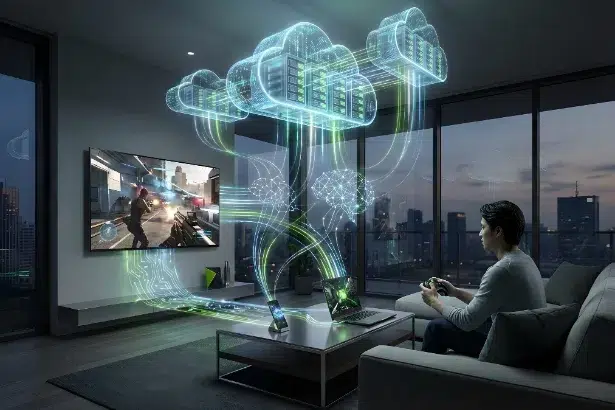
In 2025, Cloud gaming has truly left the world of niche experimentation and become a major force in the global gaming industry. Whether you’re a casual player or a hardcore enthusiast, chances are you’ve either tried cloud streaming or at least heard the buzz. This year’s surge isn’t just a small uptick — it’s a significant leap. Multiple reports suggest cloud gaming usage has jumped around 45% year-over-year, especially during this holiday gaming season.

But with rapid growth comes big headaches. Players are facing issues like lag, performance variability, and confusing service options — plus tough market realities that raised expectations far faster than infrastructure can catch up. For many gamers, the cloud is both thrilling and frustrating, and the bigger story isn’t just that cloud gaming is rising — it’s why this growth is creating real challenges.
This article breaks down everything you need to know. From how usage is exploding to the technical and social hurdles holding the industry back — and why 2025 might be the year the cloud finally decides whether it’s a future success or a troubling dead end.
Cloud Gaming Growth Is Real — and It’s Huge
Platform trends show that cloud gaming isn’t just a buzzword — it’s becoming a mainstream method for playing games. One of the clearest indicators is the performance of major services like Xbox Cloud Gaming, which has seen a 45% increase in streaming hours year-over-year.

That’s not a small bounce — it’s a major shift. More players are streaming games on consoles, PCs, smartphones, and even Smart TVs, often choosing cloud play over traditional downloads or hardware installs. This surge is largely driven by:
- Easier access across devices — no high-end hardware needed
- Faster global internet speeds and 5G rollout
- Larger libraries available via subscription cloud services
- Rising player demand for instant, flexible gaming
Analysts now estimate hundreds of millions of gamers globally are using cloud gaming regularly, with some regional markets — like India, Argentina, and Brazil — showing especially strong growth.
Why Cloud Gaming Is Taking Off in 2025
1. Universal Access — No Hardware Barriers
Traditionally, high-end games required expensive consoles or gaming PCs. But Cloud gaming flips that model. Games run on powerful remote servers and stream directly to your device over the internet. That means someone with a basic laptop, tablet, or even a smartphone can play titles that used to require expensive gear. (Thinglabs.io)
This accessibility is a game-changer for players who’ve never been able to afford top-tier hardware — suddenly big titles are available with a subscription and a decent connection.
2. Cross-Device Flexibility
Another major reason for the uptick is flexibility. Cloud gaming lets you seamlessly switch between devices: start on TV, continue on tablet, finish on PC — all with the same progress. This “play anywhere” promise is something console or PC ecosystems alone couldn’t deliver.
3. Subscription Models That Lower Entry Barriers
Subscription services like Xbox Game Pass, PlayStation cloud tiers, and other streaming platforms have bundled games into easy monthly plans, eliminating the upfront cost of individual purchases. Many also offer free trials and low-cost plans to lure new players.
Combined with big marketing campaigns and feature expansions, this has further boosted adoption.
But It’s Not Perfect — Big Problems Still Linger
Even though Cloud gaming adoption is surging, the technology still suffers from several serious limitations. These issues have dampened excitement for some gamers and raised questions about long-term sustainability.

1. High Bandwidth Needs and Latency Issues
To stream games smoothly, you often need a strong and stable internet connection — typically at least 15–35 Mbps for high-quality play. For many players, especially in rural or developing regions, that’s not a given.
Network instability can lead to lag, screen stutter, or sudden quality drops — a major frustration for competitive gamers or those who just want a seamless experience.
2. Data Consumption — Big Bills for Gamers
Playing games in the cloud means streaming video and audio — and that uses serious data. Some players report burning through 10 GB or more per hour, which isn’t ideal for those with limited data plans or costly broadband. (360 Research Reports)
In places where data is expensive, cloud gaming might remain out of reach.
3. Fragmented Market With Too Many Platforms
Unlike streaming movies, where a handful of services dominate, cloud gaming has dozens of fragmented platforms — from Xbox Cloud Gaming and Nvidia GeForce Now to Amazon Luna, Boosteroid, and more.
This means players often juggle multiple subscriptions or switch services depending on which games they want to play — a confusing setup that slows broader adoption.
4. Still Dependent on Local Network Quality
Even with powerful back-end infrastructure, cloud gaming experiences can still vary drastically based on where you live. In areas without robust fiber or 5G coverage, lag and instability remain common complaints.
This means Cloud gaming is only as good as the last mile of your internet connection — and that’s a challenge many regions haven’t solved yet.
How Players Are Actually Using Cloud Gaming
Reports and survey data show a clear picture of usage habits in 2025:
- Nearly half of cloud gamers now play exclusively via streaming. (cloudbase.gg)
- Around half of all users engage daily, and nearly 30% spend more than 30 hours per week streaming games.
- PC dominates as the most common cloud gaming device, with laptops and desktops leading usage.
- Smartphones have become the fastest-growing secondary platform, especially in mobile-first markets.
This means Cloud gaming isn’t just a side thing anymore — it’s part of how gaming lives and breathes for millions.
Market and Tech Trends Driving Change
Beyond user habits, several major industry trends are fueling Cloud gaming growth in 2025:
5G and Network Improvements
The rollout of 5G infrastructure across urban centers has helped reduce latency and increase streaming stability, making cloud gaming smoother and more viable in many areas.
Expansion of Edge Data Centers
Cloud gaming services are building more data centers closer to users, reducing delay and improving responsiveness — similar to how content delivery networks (CDNs) improved web and video streaming.
AI and Streaming Optimizations
Artificial intelligence and machine learning techniques are now being used to enhance streaming quality dynamically, adjusting resolution and bitrate on the fly to keep gameplay stable even when network conditions fluctuate.
Big Game Catalog Boosts
Major cloud platforms are adding thousands of games — from indie hits to AAA titles — making streaming a real alternative to local installs.
Taken together, these trends mean Cloud gaming isn’t just rising — it’s evolving into a more sophisticated, flexible ecosystem.
How Cloud Gaming Could Reshape the Industry
If current growth continues, cloud gaming may end up transforming the entire video game landscape:
- Hardware becomes less relevant. Devices only need to display and control — heavy processing is done remotely, reducing the need for expensive GPUs or consoles.
- Game production shifts to streaming-friendly design. Developers may begin prioritizing cloud-optimized titles first.
- Subscription and service models over ownership. Players may lean more toward services than individual game purchases.
- Emerging markets gain faster access. Regions without deep console penetration can participate fully in gaming culture.
However, this transformation depends heavily on network infrastructure and platform cooperation — which are still works in progress.

Challenges That Could Slow Cloud Gaming Down
Despite its rapid growth, some core issues remain:
Internet Inequality
Regions without consistent broadband or 5G still struggle with latency and stability — making cloud gaming unreliable there.
Cost vs Value Debate
While cloud gaming lowers hardware barriers, subscription costs and data usage can still add up — making the service less attractive for budget gamers.
Competition Between Platforms
Fragmented markets with competing services can confuse players and dilute user loyalty. (cloudbase.gg)
User Experience vs Local Hardware
Even as streaming improves, local gaming still offers better latency and performance for competitive players — meaning cloud gaming might never fully replace traditional gaming.
Final Thoughts: Cloud Gaming in 2025 — Thrilling Growth, Real Frustration
In 2025, Cloud gaming is at a defining moment: it’s no longer just exciting tech, it’s a genuine part of the global gaming ecosystem. Usage is growing fast, more players than ever are streaming titles on all kinds of devices, and major companies are investing heavily in cloud infrastructure and innovation. (Red94)
But this rapid growth comes with a mix of optimism and frustration. Network limitations, data costs, platform fragmentation, and technical hurdles mean that cloud gaming isn’t yet the seamless “play anywhere” dream some expected. For many players, the experience is incredible — yet for others, lag, confusion, or cost concerns keep cloud gaming from being their main way to play.
So while Cloud gaming is certainly booming, 2025 may be remembered as the year it proved both its massive promise — and its glaring limitations — to the world.
For more such updates do visit us @Brnd Guru

