
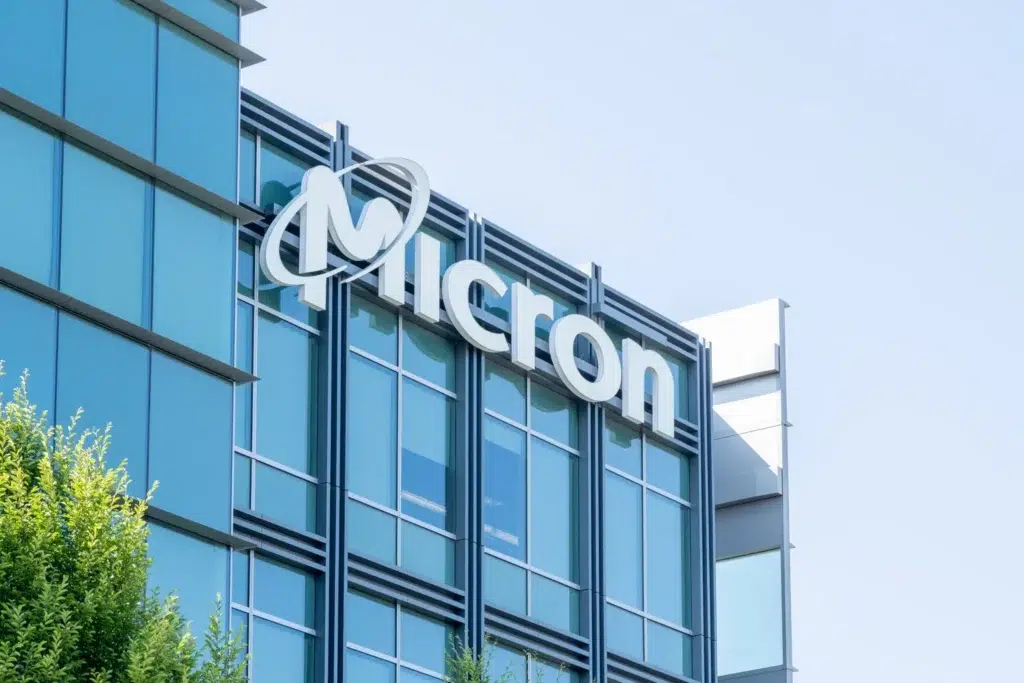
Micron Technology, one of the world’s largest micron memory and storage manufacturers, has taken a decisive step that is sending ripples across the technology industry: the company has significantly reduced— and in many cases halted— the availability of its consumer memory products in retail channels. This includes popular DRAM modules, SSDs, and high-performance storage that PC builders, gamers, and everyday users rely on. The reason behind this shift is clear and pressing: skyrocketing demand for memory in the fast-growing artificial intelligence (AI) sector.

AI workloads have triggered an unprecedented spike in memory consumption, and Micron has chosen to direct a major portion of its production capacity toward enterprise buyers, hyperscalers, and AI infrastructure clients rather than consumer markets. This move, while strategic from a business perspective, has raised questions about its long-term impact on consumers, the PC market, and the global memory ecosystem.
This in-depth analysis explores why Micron Memory has made this shift, how the AI boom is transforming memory allocation, and what consumers can expect in the months ahead.
A Sudden Disappearance From Consumer Shelves
Over the past few months, tech enthusiasts, system builders, and e-commerce shoppers have noticed a consistent pattern: Micron-branded products, particularly Crucial DDR5 RAM sticks and NVMe SSDs, are frequently marked as out of stock or discontinued. Retailers from Amazon and Newegg to smaller outlets have reported shrinking allocations, with some distributors confirming that Micron is prioritizing enterprise clients over Micron Memory.
While Micron has not issued a formal press release announcing a complete withdrawal from the consumer market on Micron Memory, the reduction in retail supply appears intentional rather than coincidental. Analysts believe this is not due to supply chain errors or minor shortages, but a large-scale reallocation driven by more profitable AI markets.
This shift aligns with a broader industry trend: memory manufacturers are increasingly orienting themselves toward the soaring demand from AI data centers, GPU clusters, and large-scale cloud providers.
The AI Boom: A New Era of Memory Consumption
The rise of generative AI, large language models, and machine learning has redefined the requirements for global memory production. Training a single large AI model such as GPT or Gemini requires thousands of high-bandwidth memory (HBM) stacks, enormous DRAM pools, and extremely fast storage pipelines.

Why AI Needs So Much Memory
- Large Model Training: AI training hardware relies heavily on massive amounts of HBM and DDR5 memory for parallel processing. These systems operate at scales far beyond typical consumer use.
- Inference at Scale: Serving millions of AI queries per day demands fast, low-latency memory systems. Even inference servers, once considered lightweight, now require large memory footprints.
- Data Center Scaling: Cloud platforms like AWS, Google Cloud, and Microsoft Azure are rapidly expanding AI capacity. Each new AI server deployed consumes significant amounts of memory that would otherwise go into consumer devices.
- AI Chips Companies Ordering in Bulk: Companies building AI accelerators, including NVIDIA, AMD, and custom chipmakers, now secure memory months or years in advance, locking up supply chains.
This cumulative surge has pushed memory manufacturers into a new era where enterprise AI clients outweigh traditional consumer markets.
Micron Shifts Its Production Strategy
Micron’s repositioning is not occurring in isolation. The company is making strategic decisions based on:
1. Profit Margins
Micron Memory sold to enterprise AI clients yields significantly higher margins than consumer memory. High-bandwidth memory (HBM) for AI chips is especially lucrative, often selling for 5x to 8x the profit of consumer DRAM.

2. Contractual Demand Commitments
Hyperscalers—massive cloud providers—sign long-term agreements guaranteeing large and consistent memory orders. These contracts offer predictable revenue, a major advantage compared to the volatile consumer market.
3. Limited Fabrication Capacity
Micron Memory fabrication plants require billions of dollars to build, and scaling up production is slow. With finite capacity, Micron prioritizes the market segments with the highest ROI.
4. AI Industry Competition
Competitors like Samsung and SK Hynix are already aggressively pivoting toward AI memory, creating pressure for Micron Memory to match or exceed their output.
Together, these factors make it clear why Micron Memory is diverting supply away from consumer retail.
Impact on PC Builders and Gamers
Micron’s retreat from consumer shelves has created ripple effects for PC enthusiasts, gamers, and hardware hobbyists.
1. Reduced Availability of Crucial Products
Crucial, Micron’s widely recognized consumer brand, is now selling fewer high-performance options. Popular lines like Crucial DDR5 Pro and certain Gen 4 and Gen 5 SSDs have seen fluctuating stock levels.
2. Rising Prices
With less Micron Memory supply on the market, competitors may raise prices due to reduced competition. Early signs suggest retail RAM prices are already trending upward.
3. Fewer Budget Options
Micron was known for offering reliable and affordable memory. Without it, budget PC builders may face limited choices or be forced to switch to lesser-known brands.
4. Potential Long-term Shifts
If other memory makers follow Micron’s lead, the consumer memory market could shrink further, leading to fewer product variants and innovation stagnation.
How Retailers and Distributors Are Reacting
Retailers have begun adapting in several ways:
- Switching to Alternative Brands: Many sellers are expanding inventory from competitors like Kingston, Corsair, G.Skill, and TeamGroup.
- Offering Refurbished or Older Stock: To fill gaps, retailers may push older DDR4 modules or previous-generation SSDs.
- Raising Prices on Remaining Units: As supply shrinks, existing Micron stock is becoming more expensive due to demand.
- Bulk Customer Restrictions: Some distributors are limiting bulk purchases from smaller PC businesses to preserve inventory.
This response indicates the problem is significant enough to reshape retail strategy.
Why This Matters: Structural Change, Not Temporary Shortage
The most critical insight is that Micron’s decision appears structural, not temporary. This is not a one-time supply crunch but a deeper realignment of the memory industry.
Key reasons this shift is long-term:
- AI infrastructure investment is growing exponentially, not gradually.
- New large-language models require larger memory pools each year.
- Data centers are scaling faster than consumer PC markets.
- Enterprise clients offer multi-year guaranteed contracts.
- High-bandwidth memory (HBM) demand is expected to triple by 2026.
These trends strongly signal that the consumer pullback is intentional and will likely continue.
Will Micron Exit the Consumer Market Completely?
At this point, Micron has not made an official statement confirming a full exit on Micron memory. They may maintain a limited presence in consumer markets to keep the Crucial brand alive. However, analysts suggest two possible scenarios:

Scenario 1: Partial Withdrawal (Most Likely)
Micron may only offer select consumer products while prioritizing enterprise Micron memory. High-end consumer lines may become more limited.
Scenario 2: Complete Pivot to AI and Data Centers
If AI revenue continues to skyrocket, Micron could go the route of companies that have entirely left low-margin markets.
Scenario 3: Re-entry After Expanding Capacity
If Micron Memory builds new fabs or expands existing ones, consumer production could rebound—but this would take years.
How Competitors Are Responding
Samsung
Currently the largest producer of memory globally, Samsung is scaling HBM production aggressively. They may capture the consumer market space Micron leaves behind.
SK Hynix
A major HBM supplier for NVIDIA, SK Hynix is similarly prioritizing AI chip clients.
Kingston & Corsair
These brands do not manufacture DRAM chips themselves—they source them. If Micron reduces supply, these companies will rely more heavily on Samsung or Hynix modules.
The competitive landscape may change rapidly as Micron reallocates supply.
What Consumers Can Expect in the Next 12–18 Months
1. Higher Prices
Memory might become more expensive across the board.
2. Limited Micron/Crucial Inventory
Shoppers may find fewer Micron-branded RAM and SSD options.
3. More AI-Dominated Tech Industry
Hardware markets will increasingly be shaped by AI, not consumer computing.
4. Fast Adoption of Next-Gen Memory
DDR5, DDR6, and HBM variants will evolve faster due to AI-driven innovation.
5. Potential Supply Shortages
If the AI boom continues, shortages could spread across multiple consumer hardware categories.
Final Outlook: AI Is Redrawing the Memory Market
Micron’s decision to divert consumer memory toward AI clients represents a monumental shift in how the global memory industry operates. Instead of competing for shelf space in consumer markets, memory manufacturers are racing to supply data centers, AI accelerators, and hyperscale cloud companies.
For Micron Memory business, the move makes economic sense. For the broader tech industry, it marks the beginning of a new era where AI—not personal computing—defines the direction of hardware development.
For consumers, it could mean higher prices, limited choices, and a future where accessing high-performance memory becomes more costly and more dependent on market trends driven far beyond the PC world.
For more such updates do visit us @Brnd Guru

