
PlayStation Network Faces One of Its Largest Outages of the Year
Sony’s PlayStation Network (PSN), the backbone of online gaming for millions of PlayStation 4 and PlayStation 5 users, suffered a significant disruption earlier today, sparking widespread frustration among gamers. Across the United States and several international regions, users reported the PlayStation servers down, encountering repeated “service busy” or “cannot connect to server” messages when attempting to log in.

The outage affected multiple PSN features, including online multiplayer, the PlayStation Store, cloud saves, and even access to streaming platforms through the console. Reports began flooding in around early Wednesday morning (local time) and quickly surged into the tens of thousands, according to data from the outage tracking site DownDetector.
Scope of the Outage: From New York to London, Servers Struggle to Stay Online
Within hours, the phrase “PlayStation servers down” began trending across social media platforms, particularly X (formerly Twitter) and Reddit. Players from major U.S. cities — including New York, Chicago, Washington, Atlanta, and Tampa — were among the hardest hit. Similar complaints emerged from Canada, the U.K., and parts of Europe, suggesting the issue extended beyond North America.
DownDetector’s live outage map showed clusters of red zones representing areas of major disruption. Most complaints pointed to inability to log in, followed by server connectivity issues and malfunctioning social features, such as friend lists and messaging systems.
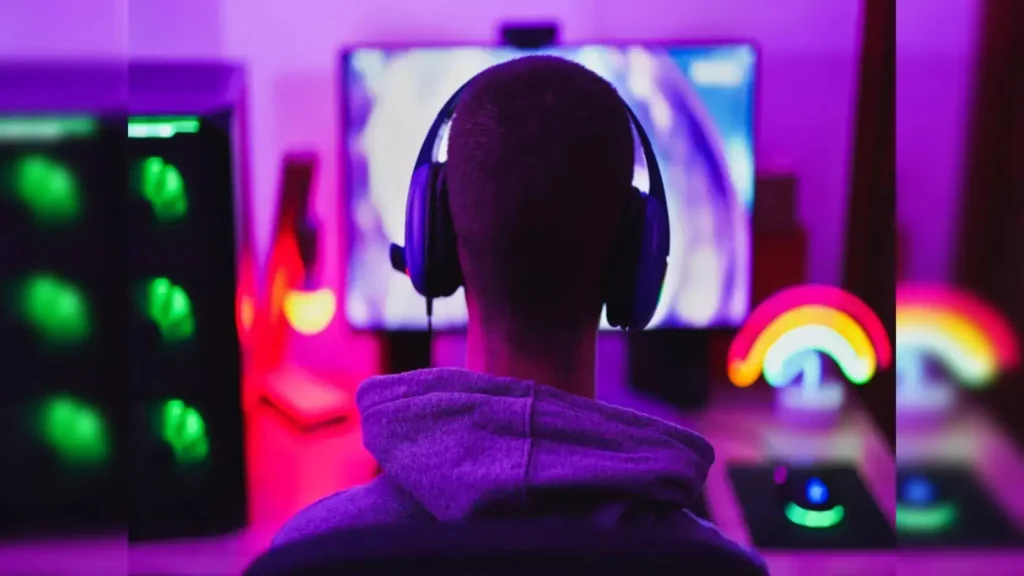
Some users also reported being kicked out of ongoing multiplayer sessions, while others noted that even single-player games requiring online verification were rendered unplayable.
“I was in the middle of a ranked match when it just froze,” wrote one Reddit user.
“Came home excited to hop on and PlayStation Network is down — what a mood killer,” posted another on X.
Sony Yet to Issue Official Statement
As of publication, Sony Interactive Entertainment (SIE) had not released an official statement or update regarding the outage. The lack of immediate communication drew criticism from the gaming community, with many arguing that Sony’s silence only amplified confusion.
The official PlayStation Network Status page initially displayed all systems as “operational,” despite thousands of users reporting problems. However, hours later, Sony quietly acknowledged “ongoing disruptions affecting multiple PSN services,” including account management, gaming, and social features.
This pattern of delayed acknowledgment isn’t new. In past PSN outages, Sony has often taken several hours to publicly confirm issues — a move that frustrates gamers who rely on timely updates to determine whether the issue lies with Sony’s servers or their personal internet connections.
Possible Reasons Behind the PSN Outage
While Sony has not confirmed the root cause, several technical explanations are plausible. Industry experts and network analysts have suggested the following potential causes behind the PlayStation servers down situation:
- Server Overload:
A sudden surge in network traffic, possibly due to a popular game release, update, or event, may have overwhelmed Sony’s server infrastructure. - DNS or Network Routing Failures:
Problems in global internet routing or domain name resolution can prevent consoles from reaching Sony’s authentication servers. - Scheduled Maintenance Gone Wrong:
If Sony was performing backend maintenance, a misconfiguration could have led to a temporary collapse of essential services. - DDoS (Distributed Denial of Service) Attack:
In some past incidents, coordinated cyberattacks have targeted major gaming networks, rendering them inaccessible for hours. - Regional Infrastructure Faults:
Issues in data centers or regional ISPs (Internet Service Providers) might have contributed to the global cascading effect.
Though these are speculative, such factors have historically been responsible for large-scale gaming network failures across platforms like Xbox Live, Steam, and even Nintendo’s online services.
Impact on Gamers and the Community
For millions of PlayStation users, PSN is more than a gaming utility — it’s a social ecosystem. Players use it for communication, cloud saves, digital purchases, and trophies synchronization. The outage, therefore, disrupted not only gameplay but also personal data access.

Many users reported losing progress in online matches or being unable to retrieve saved data from the cloud. Others faced authentication loops preventing them from even launching downloaded games that require PSN verification.
Social media quickly filled with memes, frustration, and humor aimed at Sony’s servers.
One viral tweet read:
“PlayStation Network down hurts the soul, man. It’s not just a network; it’s a lifestyle.”
Another post humorously compared the situation to “the modern version of a power outage,” underlining just how deeply integrated online connectivity has become in everyday entertainment.
Comparisons with Past PSN Outages
This outage echoes previous large-scale disruptions in Sony’s online history.
Notably:
- April 2011: A major security breach forced Sony to take PSN offline for nearly a month. Over 70 million accounts were compromised in what remains one of the largest data breaches in gaming history.
- December 2014: The infamous Lizard Squad cyberattack took down PSN and Xbox Live during Christmas week, frustrating millions of holiday gamers.
- March 2023: A PSN authentication bug temporarily locked users out for over six hours across multiple regions.
While the current issue appears to be operational rather than security-related, it serves as a reminder of the fragility of large-scale digital infrastructures that millions rely on daily.
Economic and Operational Impact on Sony
Outages like these can have tangible business implications for Sony. Extended downtime not only leads to customer dissatisfaction but also affects digital sales through the PlayStation Store — a crucial revenue stream for the company.
With the rise of live-service games and subscription models like PlayStation Plus, persistent connectivity is vital. Players unable to access games they’ve paid subscriptions for, such as Call of Duty, Fortnite, or EA FC 25, can experience immediate value loss.
Moreover, game developers depending on PSN APIs for updates, matchmaking, or microtransactions may face temporary revenue drops.
Sony’s customer support also tends to see a surge in service tickets, increasing operational costs and response delays.
What Users Can Do While Servers Are Down
While the PlayStation servers down issue is primarily on Sony’s side, users can still take certain steps to ensure their own setup isn’t part of the problem:
- Check the PSN Status Page:
Visit status.playstation.com for official updates on ongoing disruptions. - Use DownDetector or Similar Tools:
These platforms provide real-time outage data and regional heat maps. - Restart Your Console and Router:
A local network refresh sometimes helps re-establish communication with Sony’s servers once they stabilize. - Avoid Repeated Login Attempts:
Constant retries may flag temporary bans or cause unnecessary server load. - Play Offline Titles:
Focus on single-player games that do not require PSN authentication until services are restored.
Community Reaction and Memes: Turning Frustration into Humor
Despite the inconvenience, the gaming community’s sense of humor remained intact. Within minutes of the outage trending, memes flooded social platforms depicting “gamers staring at a blank login screen” or “checking Wi-Fi speed for the tenth time.”
One meme showed the PlayStation logo replaced with a power plug captioned, “It’s not a bug, it’s a feature — rest mode for everyone.”
These lighthearted reactions reflect the resilience and creativity of the gaming audience, who often turn collective frustration into a shared online experience.
Sony’s Next Steps: Transparency and Infrastructure Resilience
In the long term, incidents like this underscore the need for greater transparency and resilient infrastructure.
Many users have urged Sony to adopt the following measures:
- Faster Communication Channels: Immediate acknowledgment on social platforms when outages begin.
- Public Outage Dashboard: A more detailed, interactive system-status tracker.
- Server Redundancy Improvements: Investment in regional backup systems to reduce global impact.
- Customer Compensation: Offering free PS Plus days or store credits for extended outages.
If Sony addresses these proactively, it could strengthen user trust and reduce backlash during future disruptions.
Expert Insights: How Gaming Networks Can Avoid Future Crashes
Network experts suggest that large-scale gaming platforms like PSN must evolve toward cloud-distributed server architectures similar to Netflix and AWS-backed systems.
Using edge computing and load balancing algorithms, traffic can be routed dynamically to underused regions, preventing total network collapse during spikes.

Additionally, automated monitoring systems leveraging AI-based anomaly detection could identify potential bottlenecks or attacks before full-scale failure occurs.
Given Sony’s growing ambitions with PlayStation Cloud Gaming and PlayStation Plus Premium, investing in these preventive systems will be crucial for long-term stability.
Waiting for the Lights to Come Back On
As of the latest updates, PlayStation servers remain down in several regions, though partial restoration has been observed in some areas.
Sony has promised to provide more details “once investigations conclude,” but for now, millions of players remain in limbo.
The outage highlights how dependent modern gaming has become on digital ecosystems — and how fragile those systems can be under pressure. For gamers, it’s a night of patience. For Sony, it’s another reminder that in the connected world of 2025, downtime is more than just inconvenience — it’s brand damage.
Until servers are back online, gamers may need to revisit their offline classics and remember what gaming was like before the cloud.
Also know about Xbox here


Pingback: Apple M5 Chip Launch — The Next Big Leap In AI