
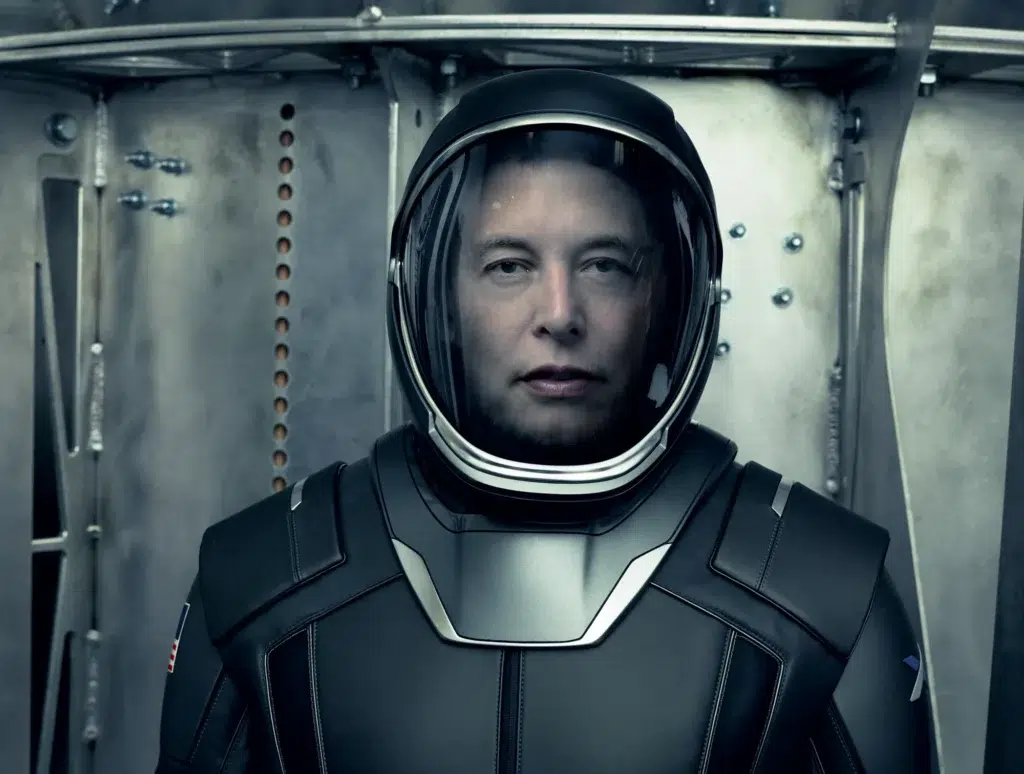
The countdown begins for one of the biggest moments in modern space history.

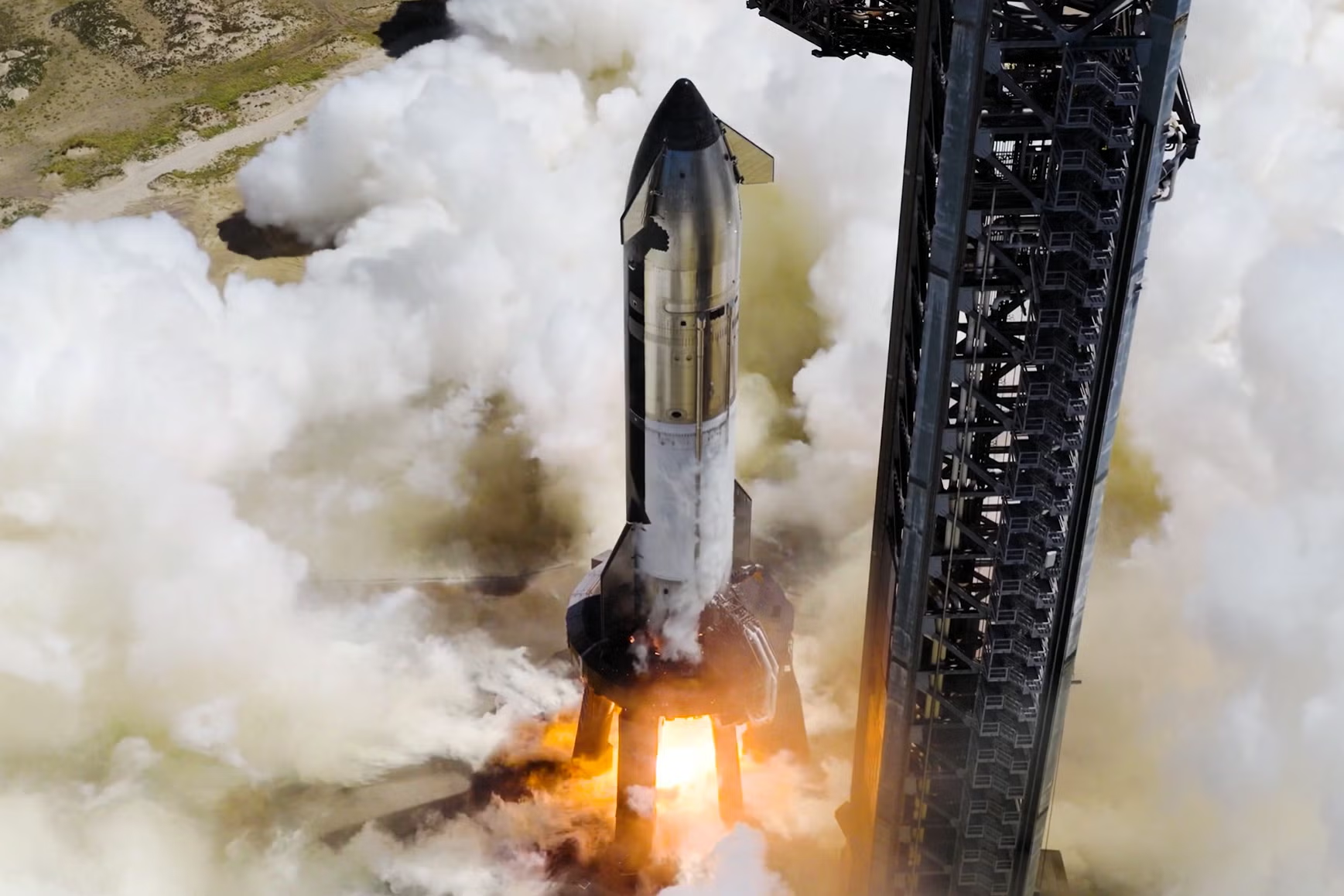
It’s a usual calm morning as always at SpaceX’s Starship launch site in Boca Chica, Texas. But something is different as the air carries a familiar sense of excitement. Engineers, photographers, and space enthusiasts around the world, all eyes are watching the skies. Today marks the final flight of SpaceX’s Version 2 Starship-Super Heavy, this is said to be the most powerful rocket ever built.
For SpaceX, this is much bigger than testing. SpaceX Starship Launch is a symbol of how far private space exploration has come. The Starship program has come from early explosions to these record-breaking milestones.Now, this is the last Version 2 SpaceX Starship launch which will direct the way for the next generation of rockets.
A Quick Recap: What Is Starship-Super Heavy?
The Starship-Super Heavy system is SpaceX’s fully reusable two-stage rocket.
- The lower stage (Starship-Super Heavy) is the big booster that carries up the spacecraft off the ground.
- The upper stage (Starship) carries the cargo — and usually, people — to orbit, the Moon, or even Mars.

Together, they are standing about 400 feet tall. This makes Starship the largest and most powerful rocket in human history.
The Version 2 Starship introduced key inventions in performance, safety, and making use again. The Raptor 2s, its engines — burn liquid methane and liquid oxygen. This offers better thrust while cutting costs.
Why This Launch Matters
This launch is much more than just about a rocket. It’s a demonstration of the next step in humanity’s journey to deep space.
SpaceX plans to use future starship versions for:
- NASA’s Artemis program to land astronauts on the Moon,
- Commercial satellite launches,
- Space tourism, and with this
- Missions to Mars.

Today’s final Version 2 test flight will help SpaceX finalize what improvements can be brought to designs before moving on to Version 3. This is teased by Elon Musk as “the rocket that will take humanity multiplanetary.”
The Road to Today: From Explosions to Evolution
Starship’s story is a mixture of multiple trials, errors, and relentless learning.
The early Version 2 test flights were very strong. In this, some boosters exploded midair or crashed into the Gulf of Mexico. Yet, every failure brought some data.
- First test (2020): partial lift-off but no landing.
- Second and third tests: improved altitude, rough landings.
- Fourth test (2023): first successful stage separation.
- Fifth test (2024): smooth reentry, near-perfect flight.
Now, after nearly a decade of development, the final Version 2 SpaceX Starship launch represents the end of one chapter. This led to the beginning of another.
What Makes Starbase So Important
Starbase, which is located near the Texas-Mexico border, isn’t just a launch pad. It’s more about a space ecosystem.
SpaceX changed the area which was once-quiet coastal area. SpaceX has turned into a hub of innovation with testing facilities, rocket hangars, and thousands of employees.
This site allows for multiple rapid testing and number of flights. This is something NASA’s traditional sites couldn’t support. It has become a symbol of private-sector innovation in aerospace — where speed, risk, and results drive progress.
What’s New in Final Version 2 SpaceX Starship Launch
SpaceX has confirmed a few key updates for this mission:
- Upgraded heat shield tiles to improve the protection of reentry.
- Refined booster recovery system for providing more accurate landings.
- Enhanced telemetry tracking, giving real-time data for global viewers.
- Payload demonstration simulating lunar cargo delivery.
The goal is to test Starship’s ability to make it survive a full reentry and controlled ocean landing. This testing is important for future reusability.
If this mission is successful, it would bring SpaceX one step closer to its goal of flying Starship multiple times a week. It would dramatically reduce launch costs.
Elon Musk’s Vision Behind SpaceX Starship Launch
Elon Musk has always taken Starship as the key to making life multiplanetary.
In his words:
“If we can make space travel as routine as air travel, we can ensure the long-term survival of consciousness.”

That vision may sound ambitious for now. But Starship is built exactly for that — to carry up to 150 tons of cargo into orbit and return safely, again and again.
This version’s final launch shows how the Elon Musk team is close to their goal of turning that dream into reality.
The Moment Everyone’s Watching
At 8:00 a.m. CST, big moment is to be witnessed when engines will ignite. 33 Raptor engines under the Super Heavy booster will roar to life.
If all goes well, here’s the flight timeline:
- T-0: Liftoff from Starbase.
- +3 min: Stage separation — Super Heavy detaches.
- +7 min: Starship reaches near-orbit trajectory.
- +15 min: Booster landing attempt in the Gulf.
- +45 min: Starship begins controlled reentry.
- +60 min: Splashdown near Hawaii.
Every second will be streamed live on SpaceX’s official X (Twitter) and YouTube channels, with millions of people watching this scene.
What It Means for the Future of Space Travel
This launch is a big turning point, not just a test.
For decades, space exploration was just limited to under government agencies like NASA and Roscosmos. Now, private companies like SpaceX have successfully made it accessible, faster, and more cost-efficient.
Starship could eventually:
- Carry entire research stations to orbit.
- Enable lunar bases and Mars colonies.
- Power global satellite internet via Starlink expansion

In short, the success of this final Version 2 mission could open the door to a new era of sustainable spaceflight — one where going to space becomes as normal as flying across continents.
The Countdown to the Future
As the world has eyes on today’s countdown, there’s a quiet realization. This SpaceX Starship launch isn’t just about rockets — it’s about the human desire to go beyond.
Whether the flight succeeds perfectly or faces challenges, SpaceX has already made changes to what’s possible. The story of Starship is a story of ambition, risk, and persistence — and today’s launch is its next bold step for this and a new generation.
Because every countdown, every ignition, and every flame lifting from Starbase reminds us of one thing:
The journey to the stars is no longer a dream. It’s a plan in motion.
For more stories also read this

